Climbing Giants: The Boss Design of Eternal Strands
Eternal Strands is a third-person action adventure game released in 2025. This charming colorful adventure romp launched to positive reviews and positive associations to juggernauts of the gaming industry; Shadow of the Colossus, Dragon’s Dogma, Monster Hunter, and Zelda: Breath of the Wild. Developed by Yellow Brick Games; a studio made up of Ubisoft alumni, and built in the Unreal Engine 5, Eternal Strands embraced a fantasy story and world with ancient technology, magical monsters, and mythological creatures. The player steps into the shoes of Brynn, a magical Strand Weaver and a group of adventurers as they explore and uncover the mysteries of the magical civilization of Enclave. The gameplay is focused on exploration, climbing, melee combat, and the large climbable boss battle. It is the former that will be the focus of this articles analysis.
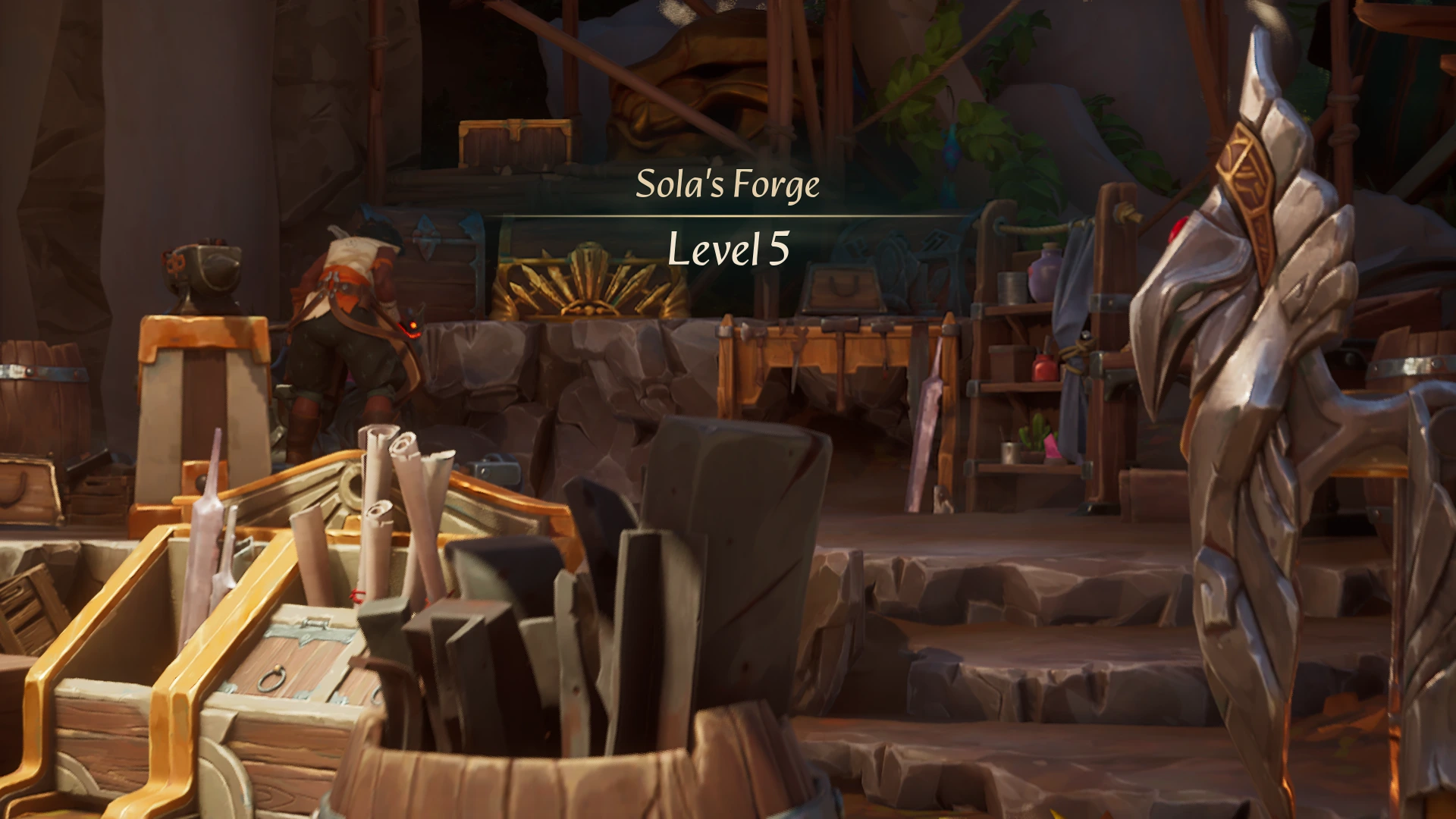
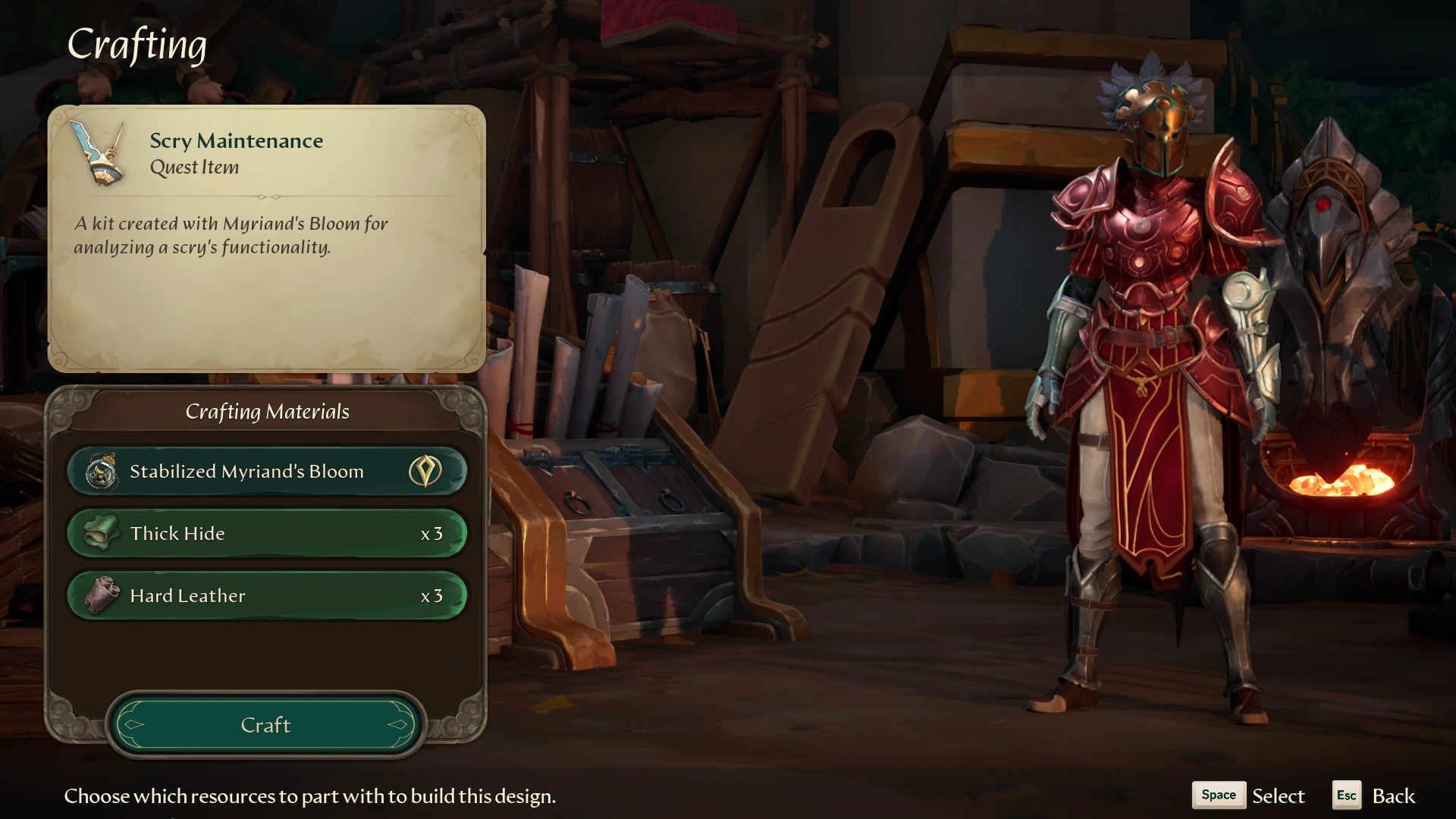
Eternal Strands fundamentally succeeds by liberally stealing from the best when it came to its innovations. The game has a complex weather and environmental simulation system that cribs from recent Zelda games with fire spreading along flammable foliage, ice affects water, Eternal Strands takes it a step furthers with different magic types dynamically effecting the items dropped by enemies. The crafting system presented dome unique designs. The player can craft weapons and armor from recipes and materials collected around the game world; pretty bog standard but unlike many crafting/smithing systems materials are interchangeable. Each material belongs to a category; woven, tanned, forged, and carved. For any given crafting recipe players can use any Material of the category to achieve the effect they want. If the player wants armor with fire resistance? Eternal Strands makes it as easy as picking materials that boost fire resistance.
The base mechanics are solid too; movements and combat are both performant and sufficiently fast and fluid. The snappy traversal options help mitigate the sprawling nature of most of the games levels are sprawling and labyrinthine. Normally larger open sandbox levels would be a strong selling point in a game like this’ favor but in this case to many other things are working against the game. Eternal Strands’ maps are stylized and hand-drawn; they are very pretty but lacking in functionally relying more on landmarks than topography. Climbing is also a solid mechanics but like many climbing games that have come before it initiating a downward climb is a noticeable weak point.
Combat was solid, but vulnerable to exploits. There are several classes of weapons with special abilities and nine magical abilities that give players a good mix of combat options. In the early game freezing enemies; pinning them to the ground is good fun and a legitimate strategy. Further into the game combat becomes a bit too easy, the gravity magic abilities make staggering enemies and managing groups child’s play.
Replayability is a mixed situation. The game’s qualities more than justified a playthroughs but once you’ve experience the story though the game doesn’t have many aspects that merit a second look. The main story will expose the player to ~90% of all areas and all of the bosses, there is some side content but it was largely padding, not introducing new bosses or areas. Between the collectibles, upgrades, and side quests only the collectibles felt truly rewarding. The upgrades mitigate some of the headache of inventory space limits, but the side quests were paint by numbers most of the time.
The games real draw is those bosses’ battles. There are only nine bosses but the developers made sure players got there monies worth. The bosses are all well designed and fighting them was the high point of playing Eternal Strands.
The user interface is quite restrained with just a few visual indicators on the screen, they are clean, simple, and everything you need during tense combat. This clean and simple UI is complemented by the magic switch wheel which slows time. The rest of the menus like the upgrade, inventory, and maps are the visually night and day, they are gorgeous. These menus have rich colors, detailed icons, and visual flourishes on every UI container.
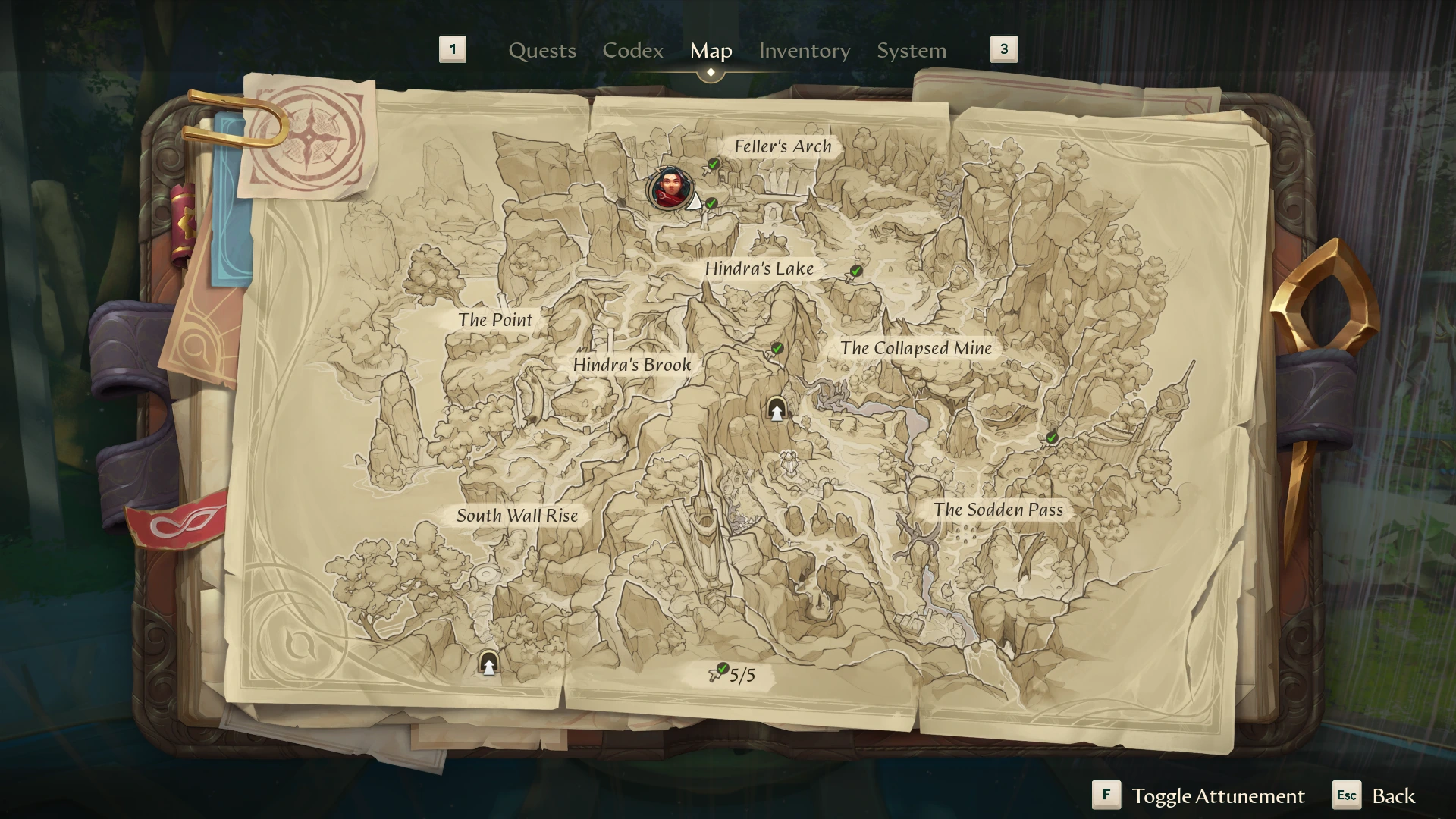
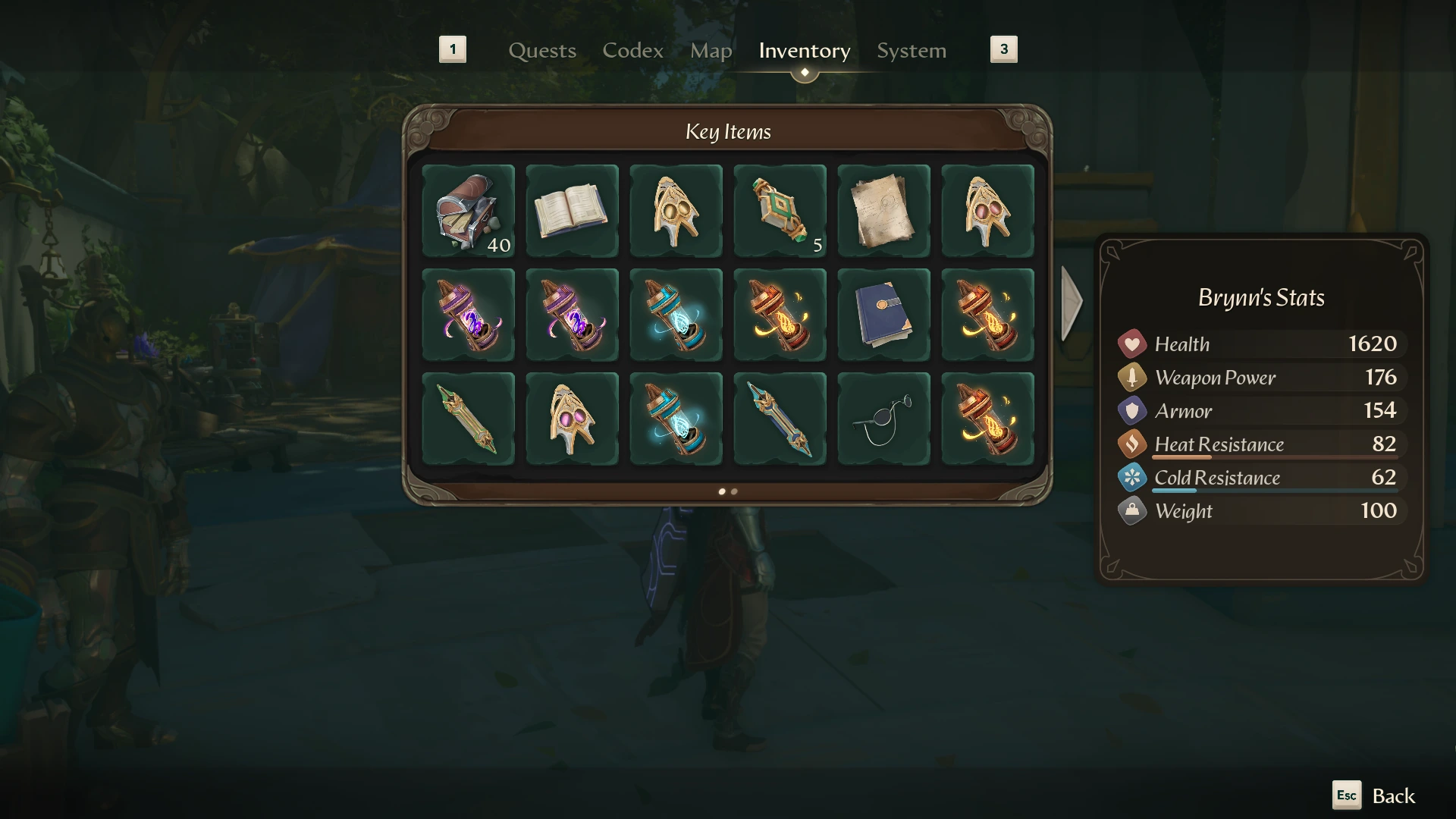
The visual flourishes aren’t just in the interfaces; the games visuals come loaded with spectacular environments many with full wrap around skyboxes that honestly makes we wish this was an open world game. The visual style isn’t leaning towards photo realistic and falls somewhere between cell shading and illustrations, with textures and model shading evoking paintings that compliments the skyboxes making them almost seamless.
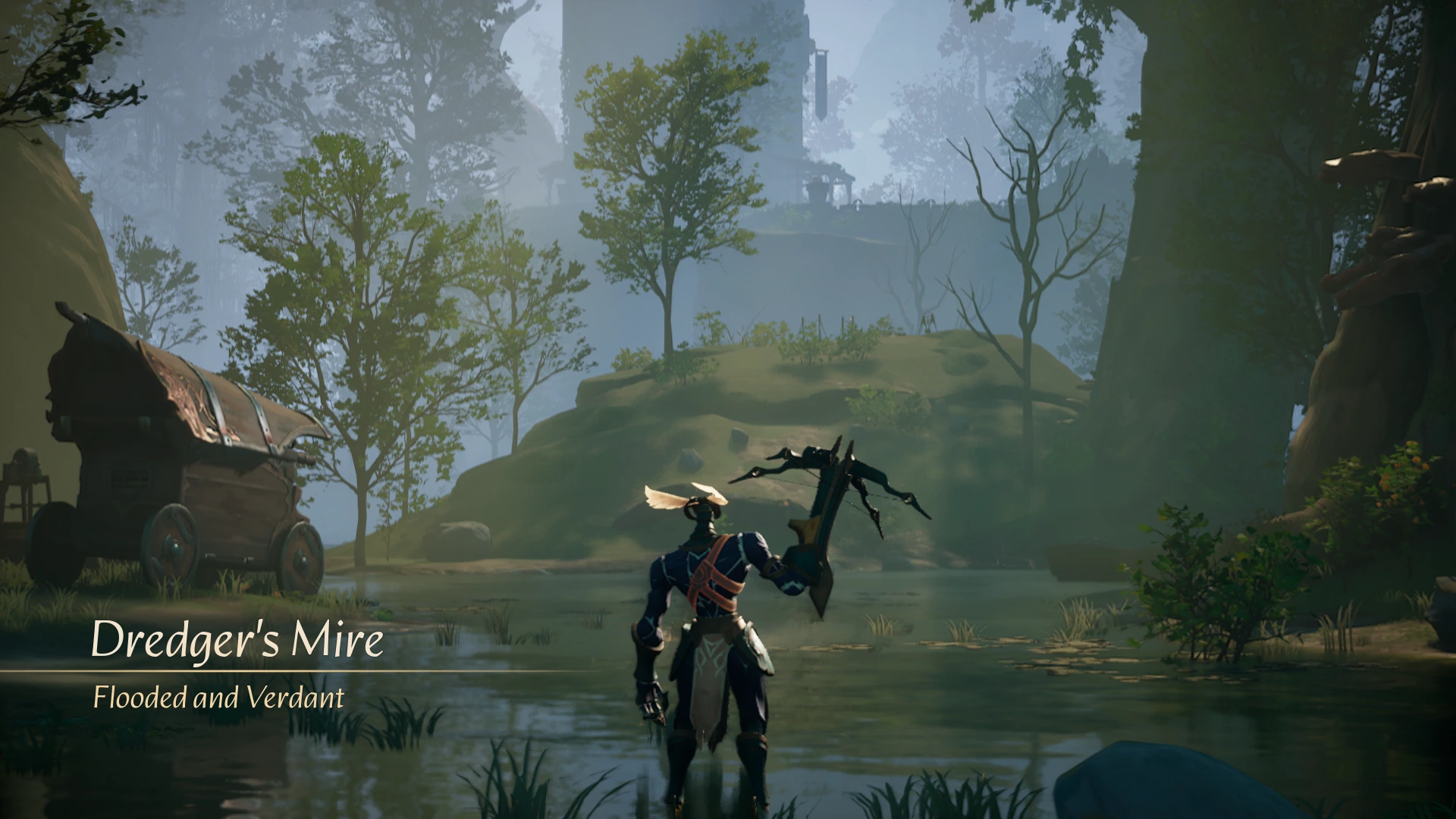
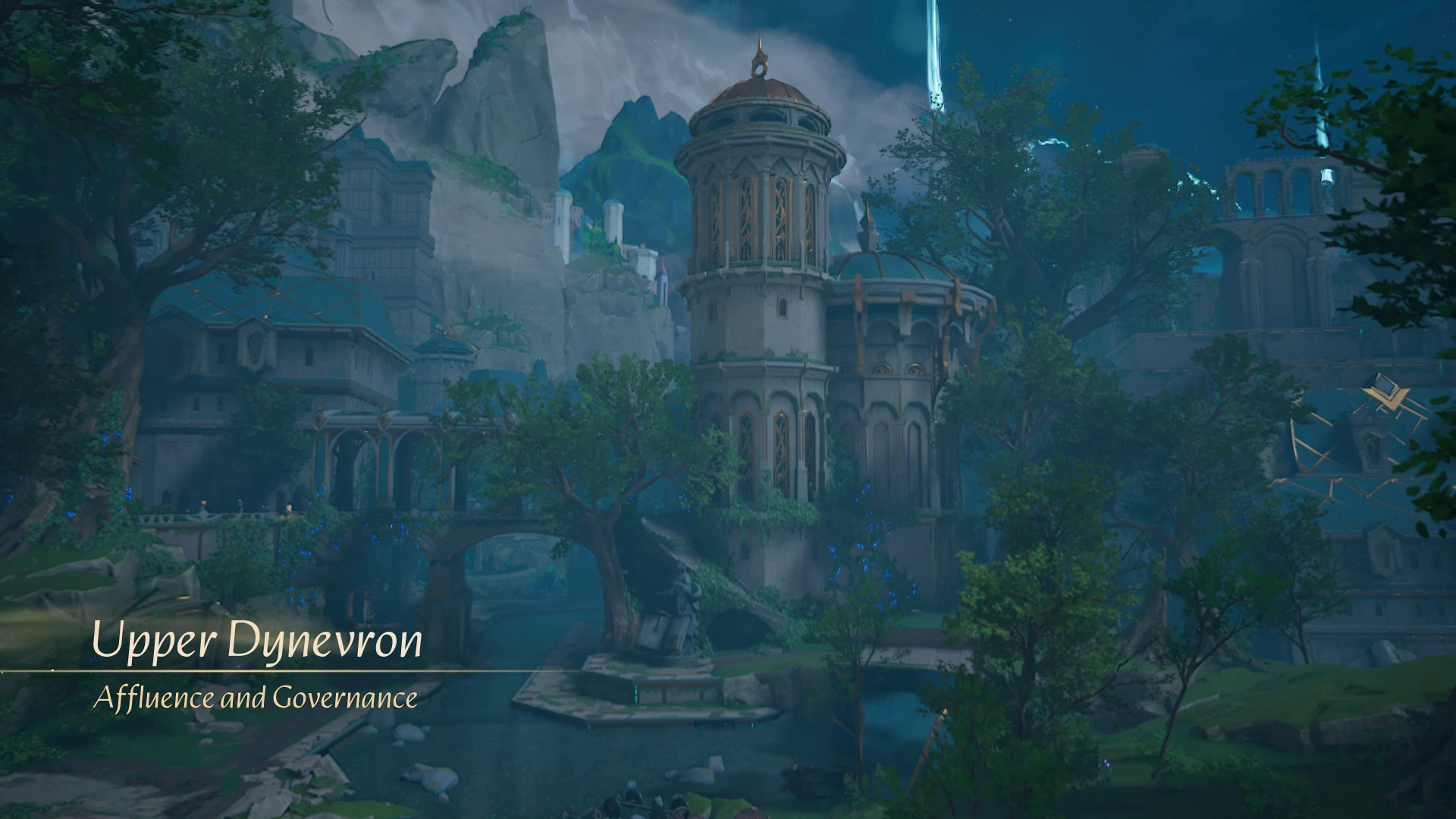
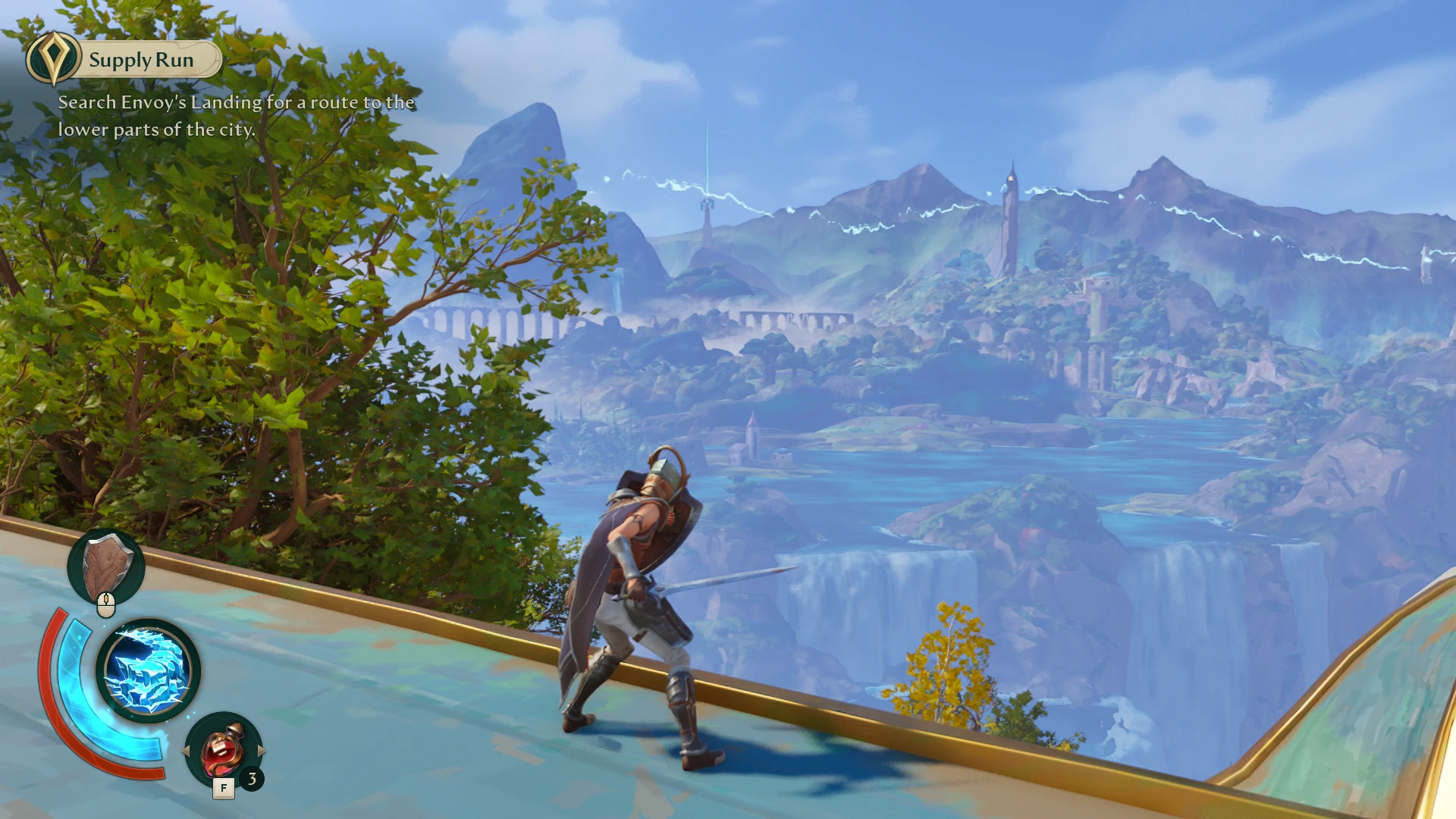
Effects like the burn mechanics and the weather effects to be visually impressive, I can’t speak to how accurate they are but since this isn’t a simulation game I will leave it at “impressive”.
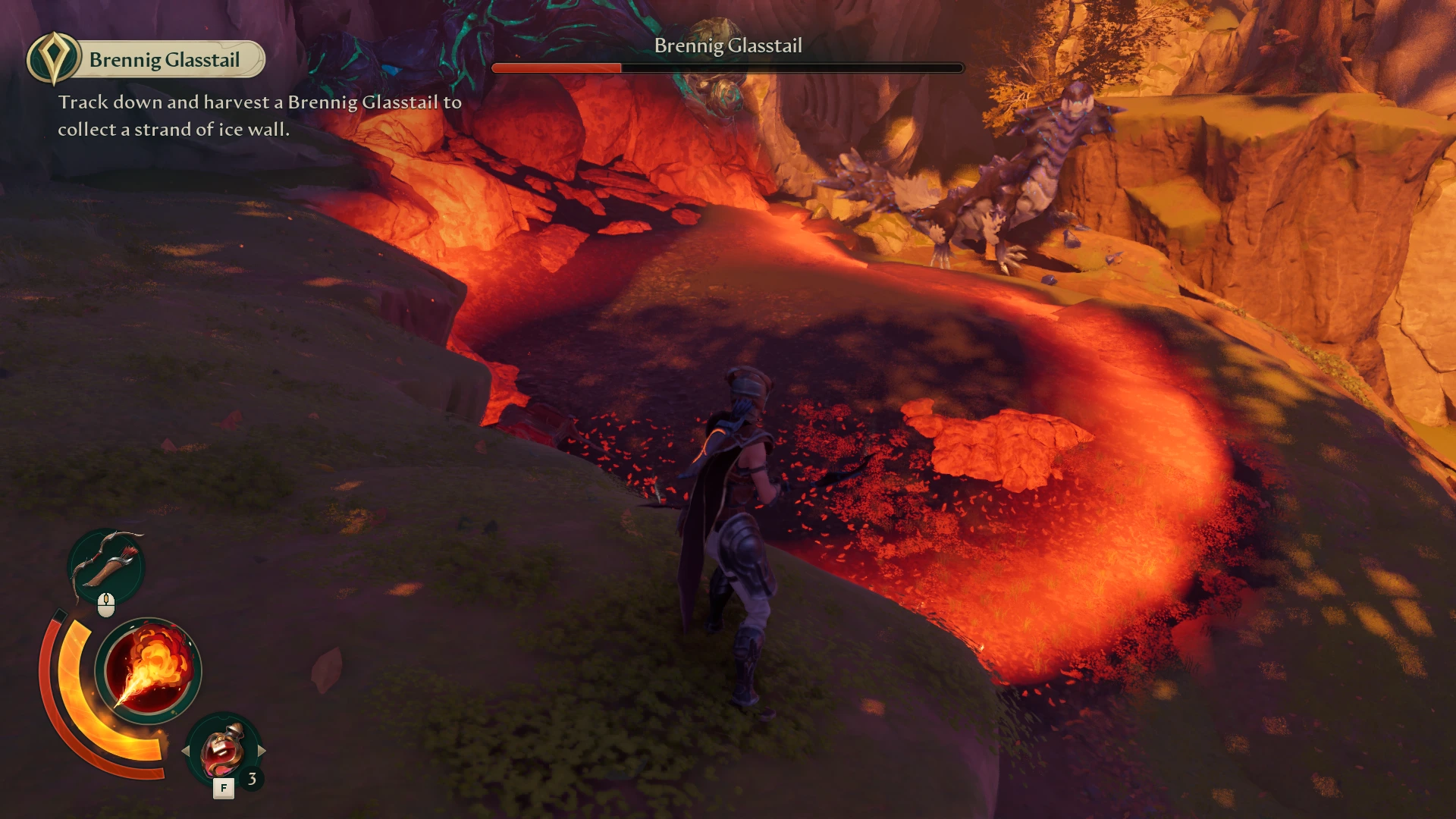
Eternal Strands manages a output stable performance on very reasonable hardware. Even during the most crowded environments and enemy rich areas, I didn’t notice any frame drops or performance dips.
The games sound effects aren’t anything special given that Unreal Engine seems to be doing the heavy lifting. Certain SFX like the distant footfalls of the colossal bosses or the distinctive crackle of fire spreading over the terrain stand out as being impressive in their dynamism. The voice acting was also impressed. All the dialog is voice acted; hours’ worth, and I its all high quality.
The soundtrack was another gem. Two dozen tracks from award winning composer Austin Wintory are a treat for music lovers. There is an interesting blend of synth techniques and classical instruments that make this great synergy especially in the main these where if mixes string instruments and…post processed xylophones? The distribution of these tracks wasn’t ideal; with too much of the music being restricted to events and cutscenes, leaving the number of tracks for gameplay and combat rather limited.
The game’s story is a particular weakness in my opinion. Please take my criticisms of the story with the large grain of salt; I skipped through at least of third of plot, I was simple not invested enough in the story to want to sit through the hours of dialog or sift through the mountains of text in the collectible codexes.
The world building starts strong, painting the picture of a rich history of conflict, magic, and culture early on, but the game is largely divorced from that world with virtually the entire game taking place in The Enclave; a region separated from the rest of the world. It grants an air of mystery to the game even if it comes at the cost of impeding the world building.
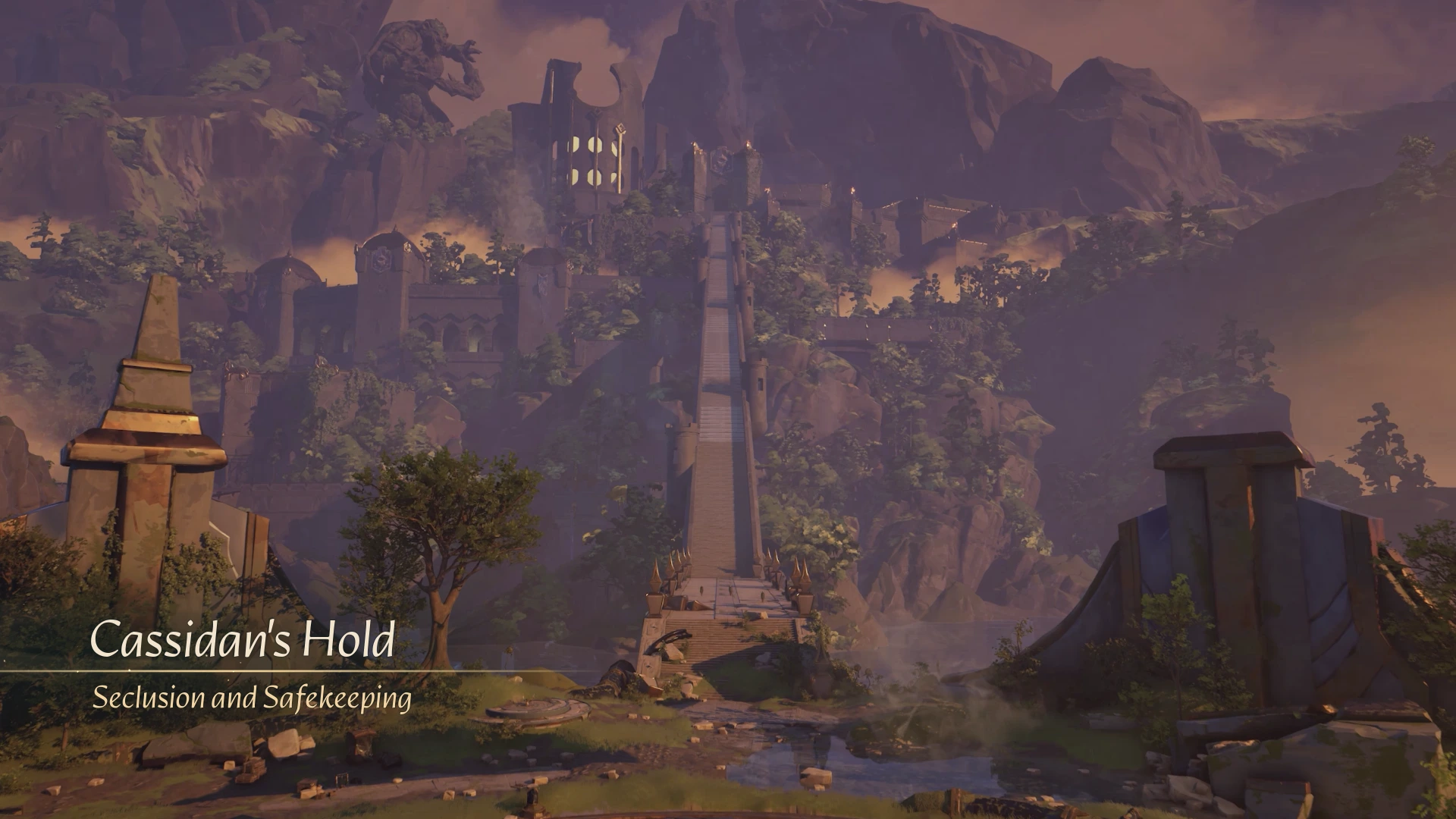
Taking place almost entirely inside The Enclave the game provides several interesting open areas to explorer. Including the picturesque hub area there are areas ranging from sunny forest of Glintwood to the Clifftops of The Bastion. Each area has unique styles and related lore to support it. An affect of The Enclave is its unruly weather which alters the nature of every area. For example when the weather turns cold, dangerous ice crystals will accumulate in the level impeding progress and making fire magic less effective.
The characters are interesting in their visual design especially the anthropomorphic races Obrun and Rahm.
The characters personalities and character development is conceptually good drawing conventional tropes and mixing in fantasy tropes, suffering more from the drawn out nature of the story telling is their primary draw back.
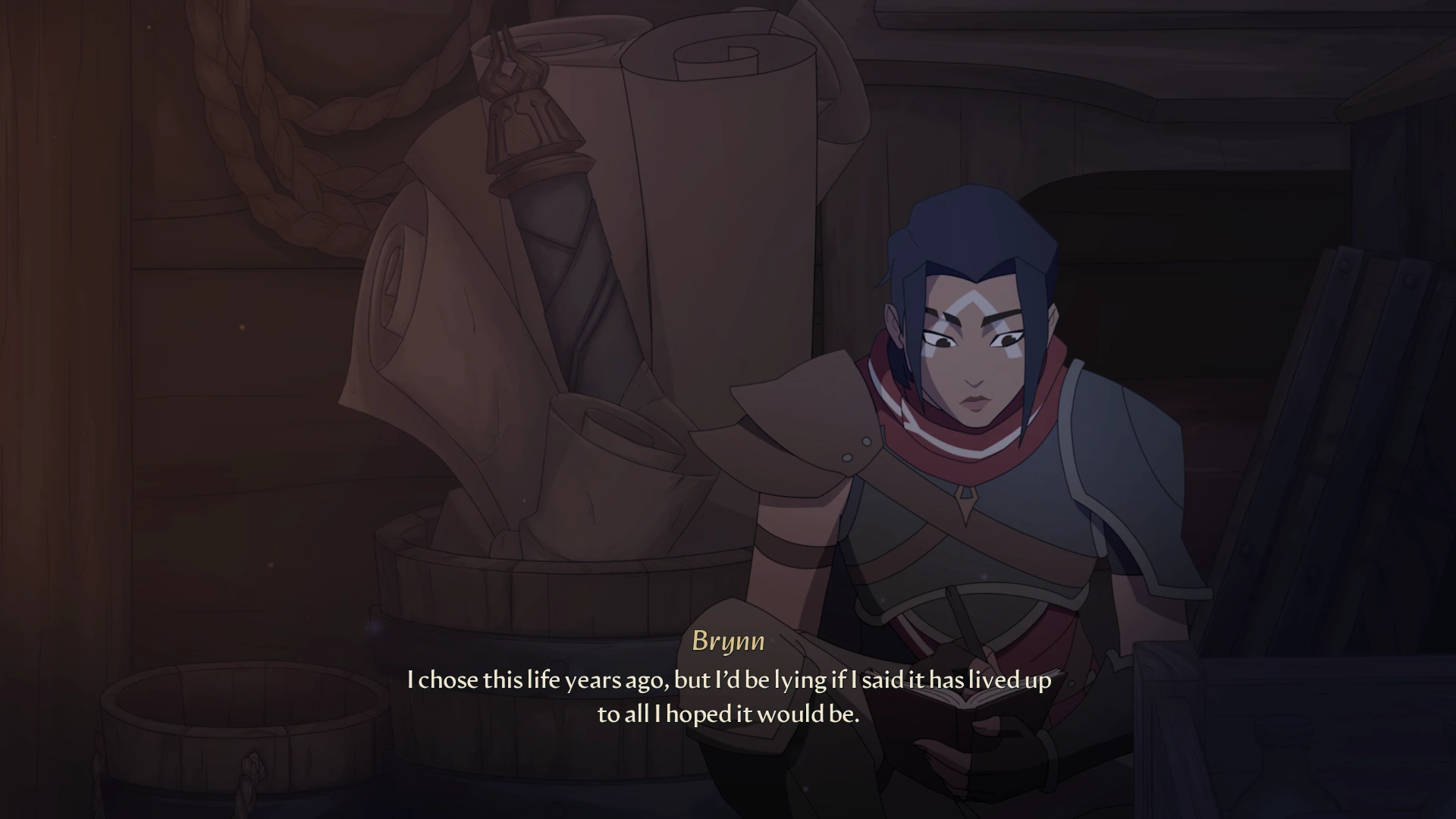
The story itself is told in a few distinct ways. The vast majority is done through a form of portrait dialog, there are also in-engine cutscenes, and traditionally animated cutscenes (I believe the animated cutscenes are from two different sources due to their style differences)
The narrative pace is very drawn, out filled with shallow storytelling that leans more towards world building or character development undercutting any sense of urgency or significance to the central conflict of the game’s main story.
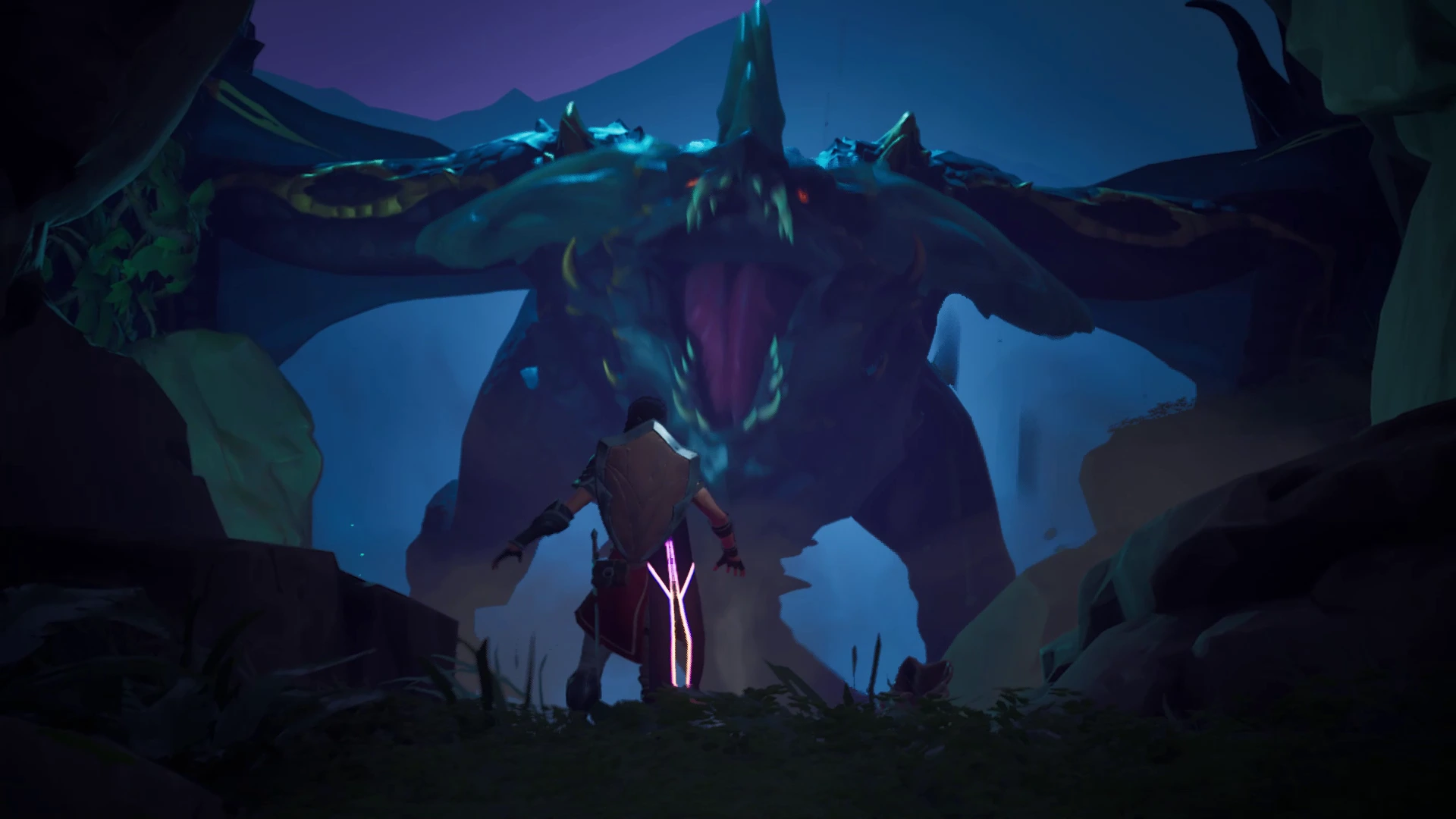
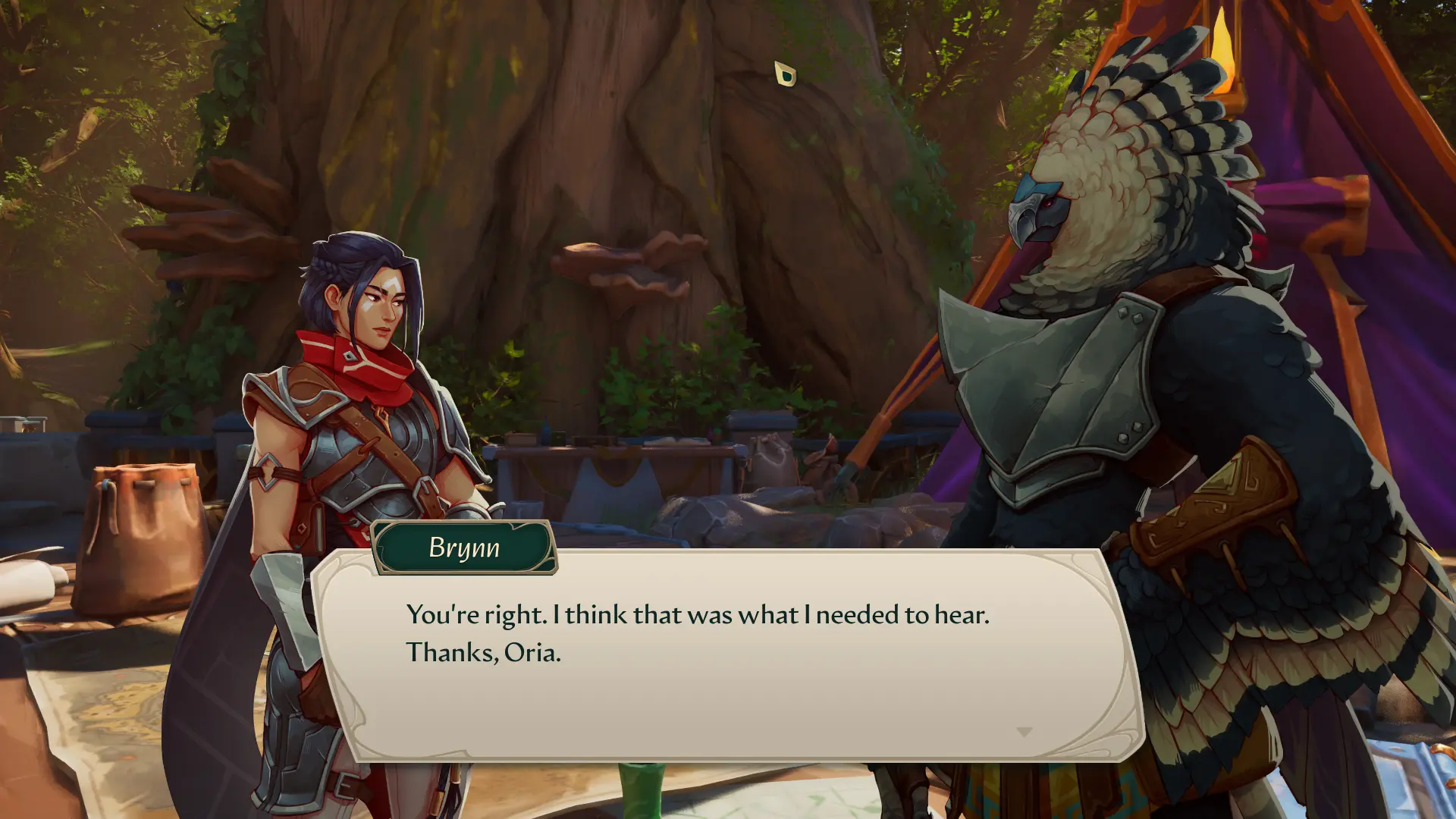
The main story’s ending is a high light of the overall story, being one of just a handful of times that story becomes compelling. It leaves the game open for continued play while properly punctuating the main story line with a satisfying conclusion.
Eternal Strands has no New Game+ mode, not unsurprising given its more open ended nature. There are no additional game modes and to my knowledge only extra content for the game is recent DLC Stargazer and the games Original Sound Track.
The game’s achievements and trophies are comprised mainly of story related. Of the 44 achievements nearly half are dedicated to main and side story progression. There are achievements for each boss fight and a few more achievements for handling bosses in specific ways. Another handful of achievements are dedicated to crafting and upgrading milestones. The final group of achievements are blocked out for different collectibles. It’s a solid array of achievements though I personally would have worked in a few more combat related challenges; defeat one of every enemy, defeat 100 ark enemies, defeat 100 enemies with charged attacks, etc.
The recent release of a free DLC was unexpected on my part and renews my hopes that this game will receive a sequel at some point down the line, I will say there is room for improvements should a sequel come about. I will keep it brief since I still have plenty to say in the analysis section, so in no particular order;
- More weapon variations
- More variation to enemies
- Improved side quests
- Shorter more focused story
- Better integration of the branching dialog
- More of the soundtrack’s music dedicated to gameplay
Analysis
Let’s talk about Eternal Strands most attractive feature; its giant intimidating bosses. Not many games have been up to the technical challenge of creating climbing systems that feel responsive and tactile fewer still try to integrate climbing to moving objects. Before
Shadow of the Colossus bosses conventionally got progressively more heavily scripted as they got larger, usually separating from gameplay more and more. Games like God of War, The Last Guardian, or Zelda: Breath of the Wild have some of the largest bosses of their era and the player was technically climbing theses bosses that was fundamentally different from melding the two concepts. In fact the only game to my knowledge that has climbable bosses between Shadow of the Colossus and Eternal Strands is Praey for the Gods. Sufficive to say the genre is not particularly saturated.
But what actually goes into make climbable bosses; not so much the technical minutia of programming models that blend climbable geometry with animations, but the design of the giants and the mechanics that make them challenging and fun to battle. Looking at all the aforementioned games we can assess a few commonalities. The bosses tend to fall into a few types and categories with a few benefits apiece. Bipedal bosses will present a more vertical climbing obstacle and present the opportunity for the bosses to use their hands…or claws to grasp for the player. Humanoid bosses in turn present developers to include tools and weapons. Quadrupedal bosses present twice as many points of contact with the ground and present a wider range of body types. Even just limiting the scope to realistic body types found in nature we’re looking at everything from crocodiles to giraffes. Flying bosses; at first glance, are more technically complicated but being airborne can vastly simplify aspects like navigation and number of animations. Climbing a boss that’s soaring above the player adds a new facet of design and strategy; do you wait for the boss to approach for an attack, lure it down, bring it down with ranged attacks? There’s also a certain epic quality to clinging to the back of a colossal monster as it soars through the air, bringing measures of majesty and terror. Finally the swimming bosses. I know Eternal Strands has no water, swimming, or aquatic bosses, but they exist and they hold a place in the pantheon. Aquatic bosses add a unique aspect to the boss battles. Being able to shake the player off is a staple of climbable bosses but forcing the player to retreat or risk drowning is something the other types don’t bring to the table.
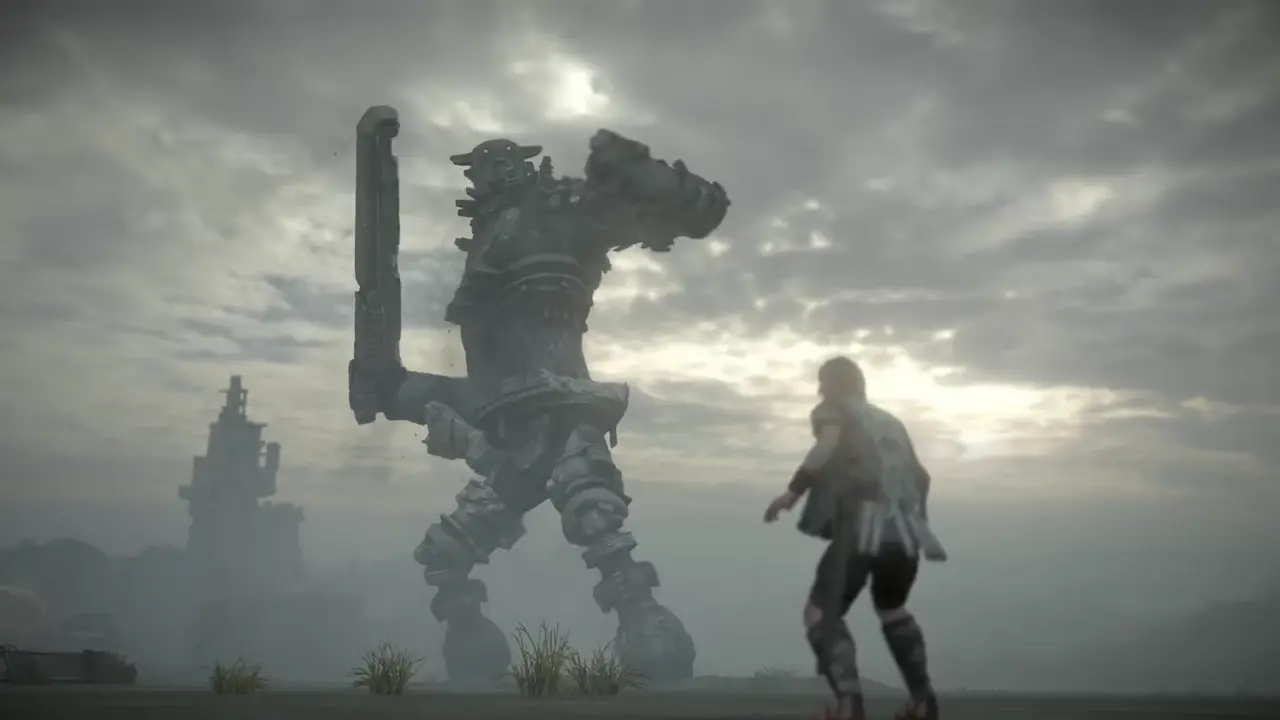
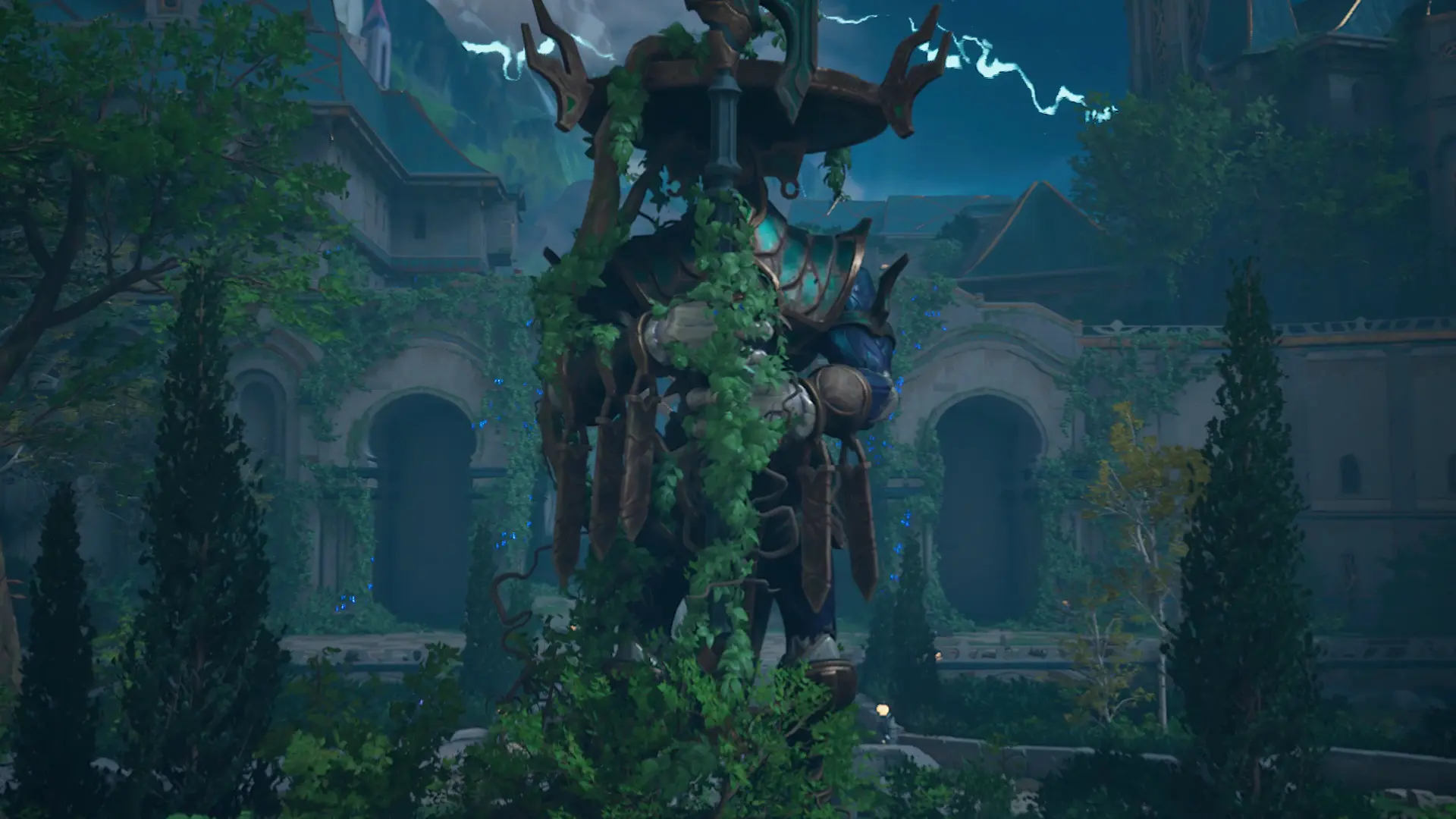
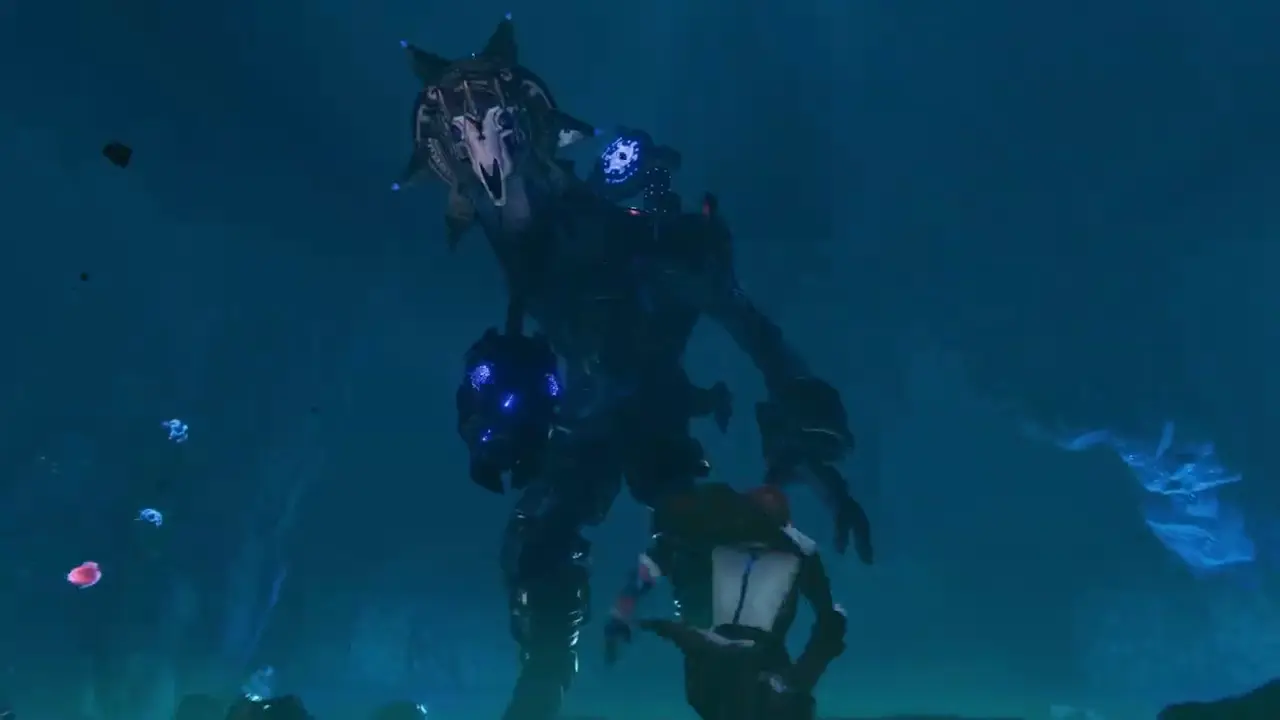
The categories of climbable bosses is a more nuanced topic and much more subjective. I’ve distilled it down to a few categories based on my own observations.
Endurance: Possibly the most basic type of boss, where the challenge lies primarily with the player’s stamina and conserving it. This sets the climb as the challenge. Augmented by placing rest points (relatively safe points where stamina might be recovered) or increasing the difficulty by placing vulnerable points far apart. The size of an endurance category boss isn’t necessarily a deciding factor; even a small boss can test the limits of a player’s stamina if they are designed to vigorously shake off the player.
Technical: These are the bosses that draw out the bosses special features. In Eternal Strands case many of the bosses have many additional technical add-ons to flesh out the battles. Each of Eternal Stands bosses have two ways to defeat them, a novel feature. A few other tropes that come to mind are the armor some bosses have. These modulate difficulty by forcing players to address vulnerable stops in deliberate orders. There is also technique on the player’s side. In Eternal Strands players can immobilize limbs with ice magic. Shadow of the Colossus provides their players with methods of getting their more docile bosses attention; a verbal call and the ever reliable bow.
Puzzles: involve additional scope often overlapping with the other categories. Puzzles applied to bosses isn’t straight forward. Many standard “puzzle” archetypes simple don’t apply but the ones that do see the challenge of the bosses shift from their imposing size to nuances of their design and aspects of their anatomy come into play. Eternal Strands bosses have several examples. The Highland Iceclaw can only be defeated by damaging its claws it can’t use one of its special attacks and can be defeated. This isn’t communicated to the player is strictly determined by reasoning and trial & error.
Environment: involve make aspects of the environment a part of the battle; maybe the boss’ climbable geometry is only accessible from some vantage point of the environment, or they have to be lured to certain positions. Eternal Strands could only make use of the environments a bit due to why the game works. Every boss had to be compatible with every level hamstringing the developers a bit.
Adding vulnerable spots to large bosses fairly standard, we see it in Dead Space and Gears of War all the time. They are generally more subdued on climbable bosses. To me there aren’t many factors in deciding things like where and how many vulnerable spots to incorporate; anatomy, design, symmetry, and difficulty. We’ll see spots cluster around real vulnerabilities like the head and heart. Spots drawn from the boss’s specific design are more about emphasizing the particular boss’ unique design attributes. Symmetry is a philosophy that crops up often. While a symmetrical 3D character is easier to manage when rigging animations, asymmetry is an easy way to make a memorable model. Placing a vulnerable spot somewhere that draws attention to the unique design is a naturally complementary step. The last point is difficulty; placing more spots can increase difficulty however that is a technique with diminishing returns. Take a flying bird-like boss. Placing an extra vulnerable spot on each wing makes the boss more difficulty but moving an existing spot further out on the wing or on the underside increase difficult more substantially without making the move feel like padding; drawing out the boss fight rather than increasing the skill required.